Your SOPs Are Not Being Followed. Turn Them Into Skills the AI Runs
SOPs get skipped for three reasons. Nobody opens them, everything goes stale, and nothing is getting checked. So turn the SOP into a skill the AI runs. A skill has a trigger, the steps, and the checks, which are a gate that refuses the work if a step was skipped. To start, pick one job you have repeated about 10 times. Write the steps like an SOP. Then give it to the AI your team already uses.
- SOPs get skipped because nobody opens them, everything goes stale and nothing is getting checked
- A skill has three parts, the trigger, the steps and the checks
- When a mistake happens, one line goes into the skill and every run after that follows it
- We still have SOPs for day one, and a skill is for any job that repeats
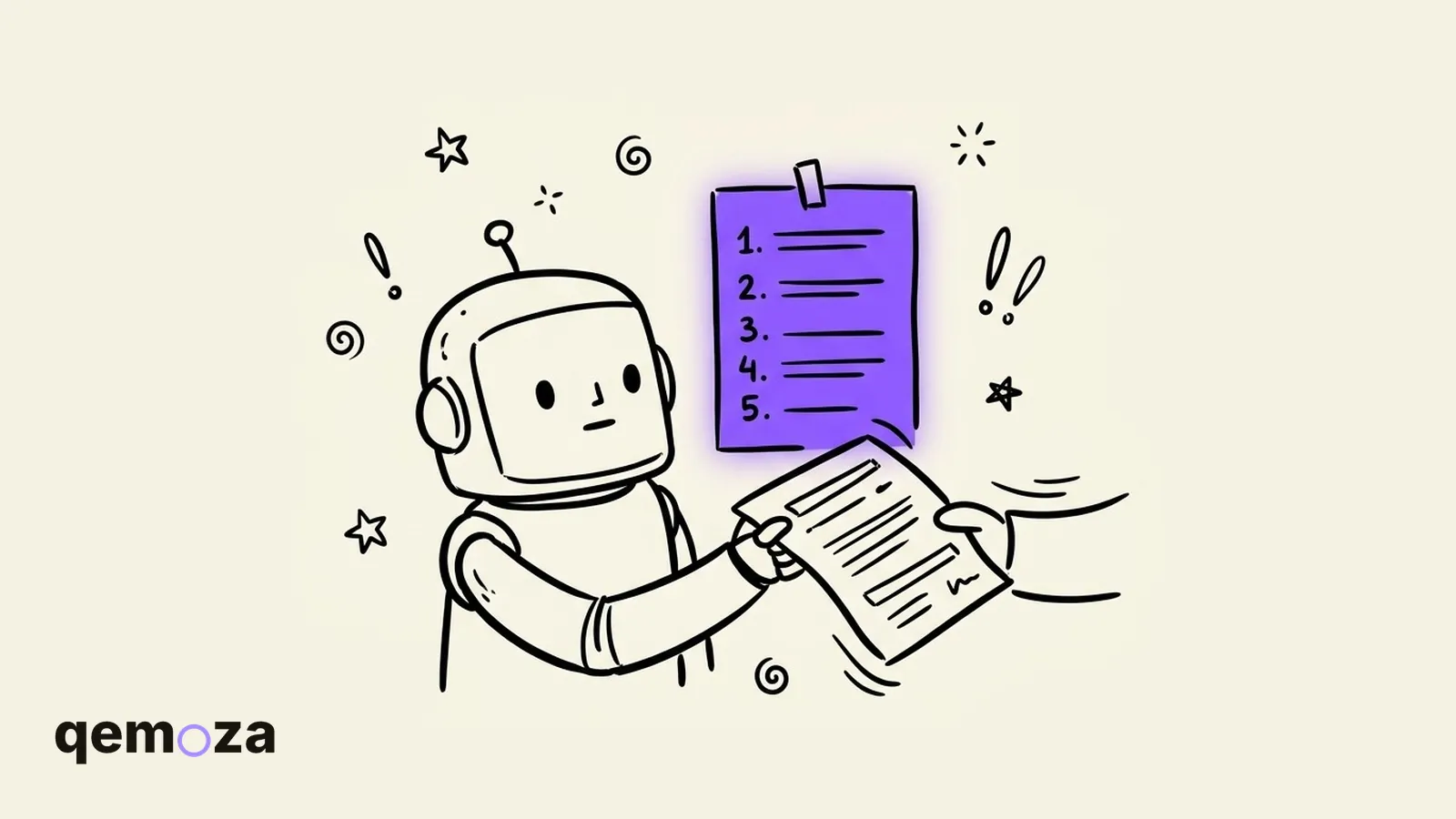
SOPs are not the best way to make your team do something.
So this post is about why SOPs get skipped, and how to turn them into skills the AI runs. It covers the three parts of a skill and how a mistake becomes a rule. Then how to turn your first SOP into a skill this week.
This is the written version of my video. Watch it here: https://youtu.be/uFJNX2xwQzs
The one page guide to turn an SOP into a skill is free: open the guide
Why SOPs get skipped
There are three reasons SOPs get skipped.
Nobody opens them. You cannot expect someone to open 10 SOPs and remember when to use which one.
Everything goes stale. You create an SOP, then another one, and another one. Now you have a library with hundreds of SOPs. Your processes will change, and you are not going to update your SOPs because you don't have the time for it.
Nothing is getting checked. You may have something that worked before and doesn't work anymore. No one is checking that.
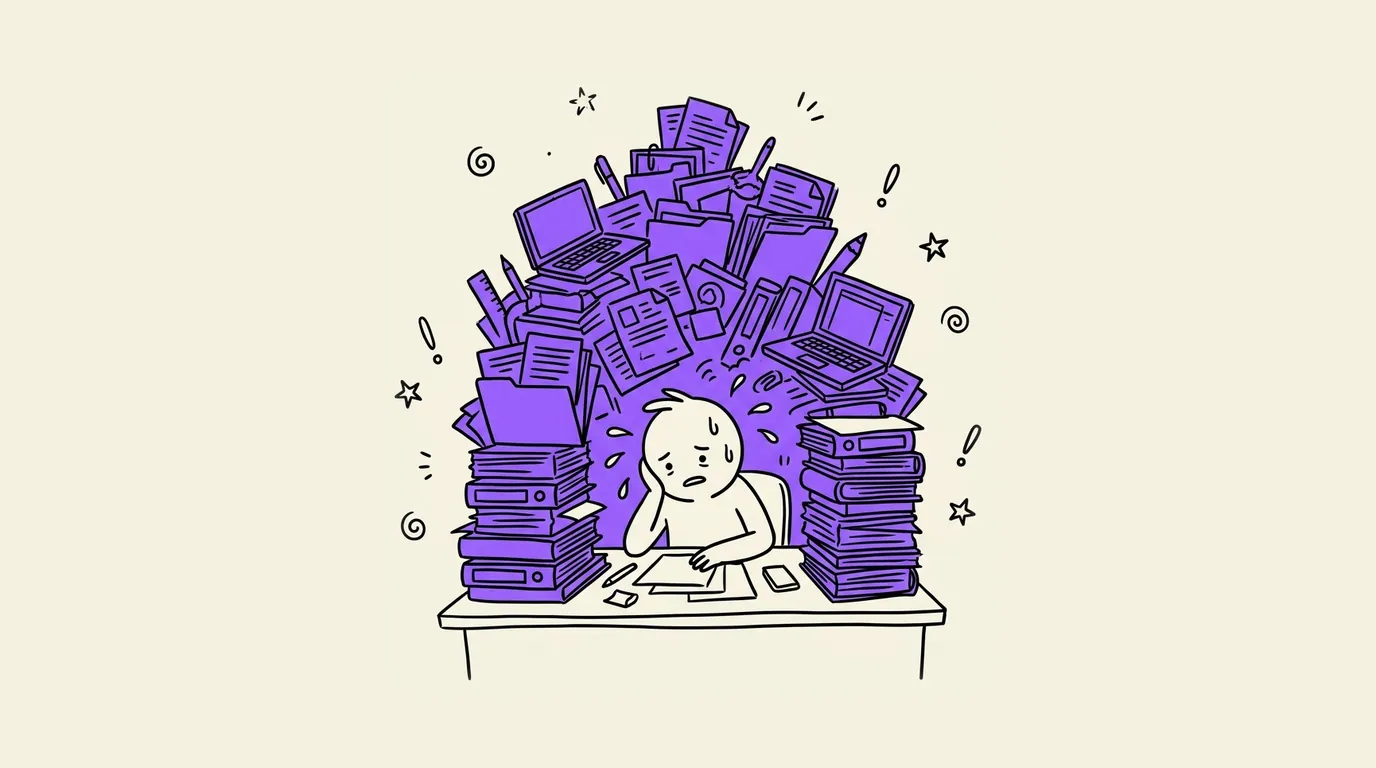
This is why we turn SOPs into skills.
The three parts of a skill
| Part | What it is |
|---|---|
| The trigger | The words or the moment that start it |
| The steps | The SOP side. How would your best person do it? |
| The checks | A gate that refuses the work if a step was skipped |
The checks are the biggest part.
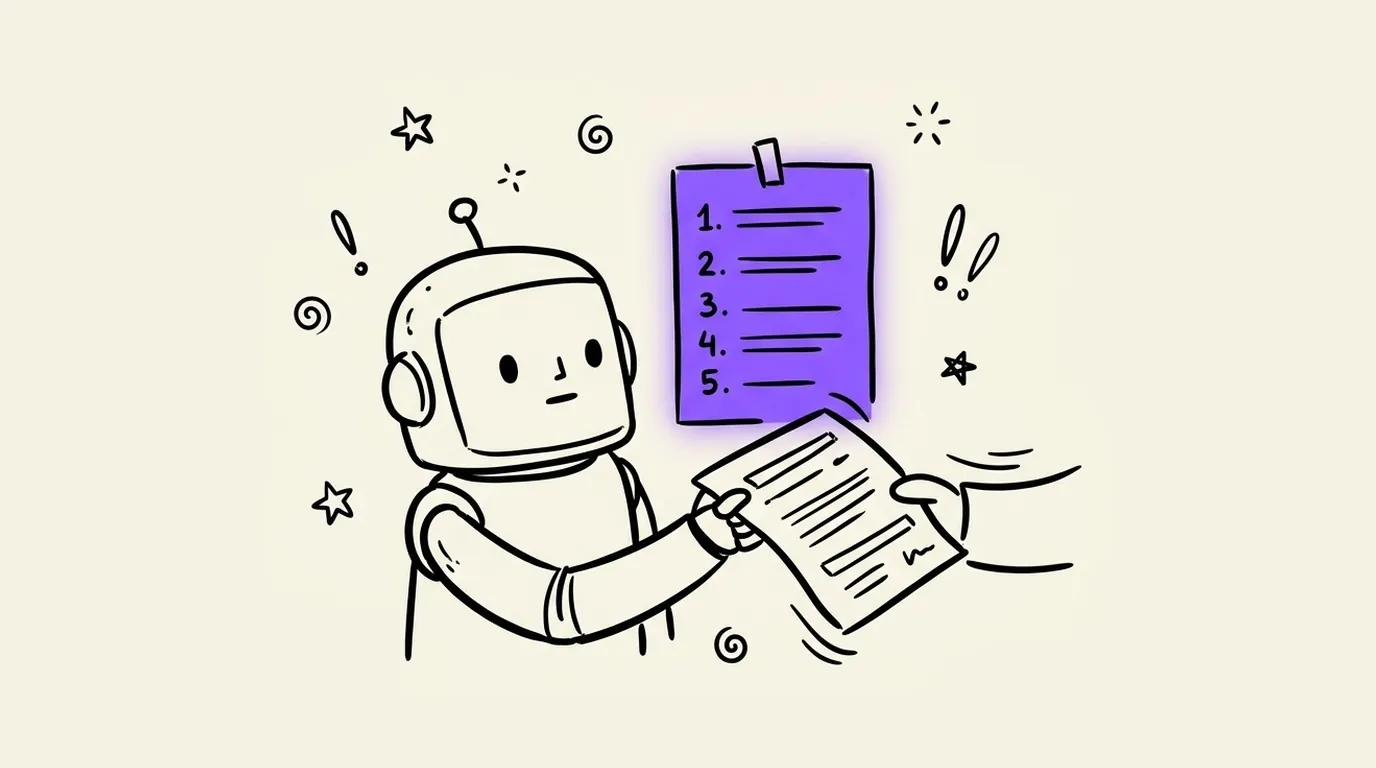
How a mistake becomes a rule
In June an update went out to a client that told them a fix was already done. The problem is we had already told them the same thing an hour before. So it was kind of redundant.
The same day, one line went into the skill. Read the client channel first, and this is required.
Now every single update, from anyone on the team, reads the channel before it writes a word.
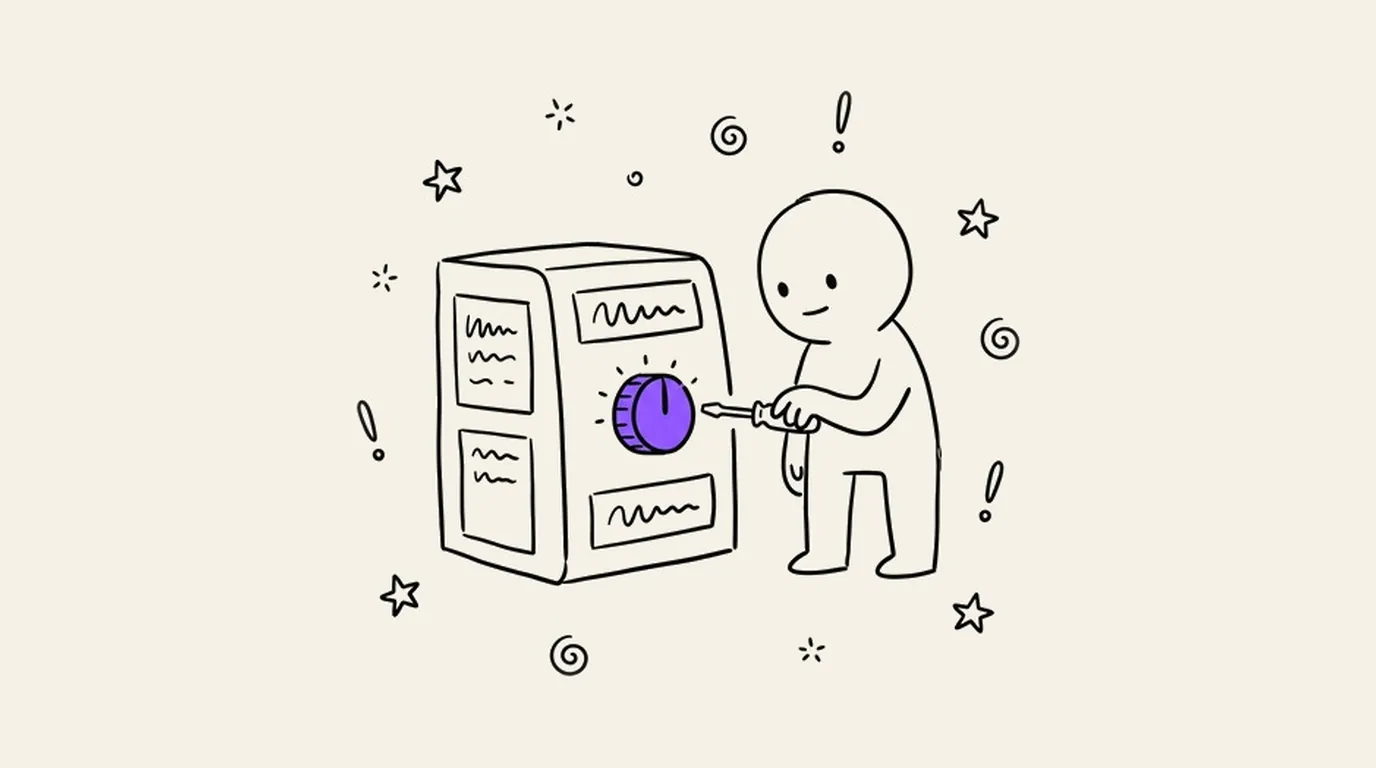
I enforce it just by updating the skill. That way I never have to say hey, can you remember to do this.
And this is how your skills get updated every time. You update the GitHub repo where all your skills are, and your team is using them.
How to start this week
- Pick one job you have repeated, let's say 10 times.
- Write the steps as if you are writing an SOP.
- Give it to the AI that your team is already using. It could be a GPT, it could be Claude, it could be Gemini. Whatever you are using.
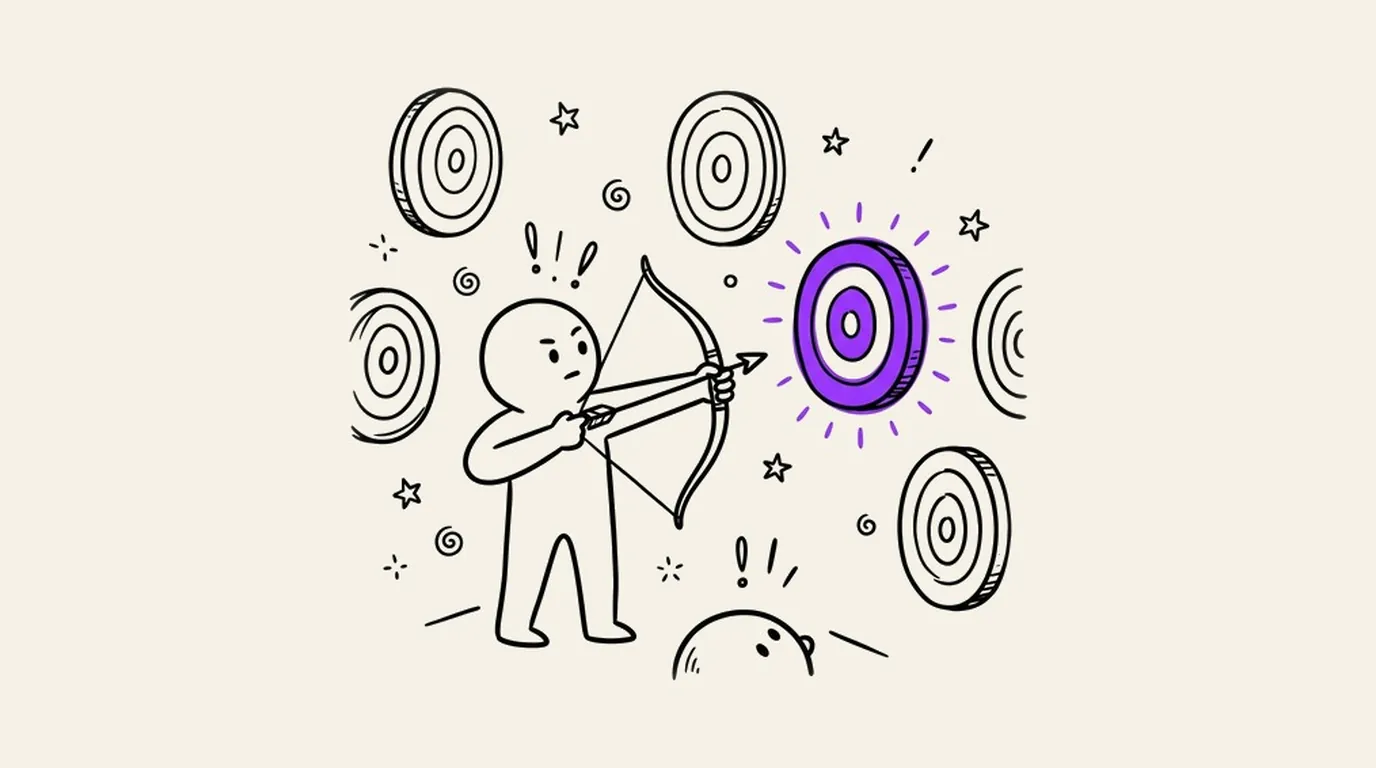
If you are using Claude, you can create a skill in Claude. Then the team runs the job through it every single time they have to do it.
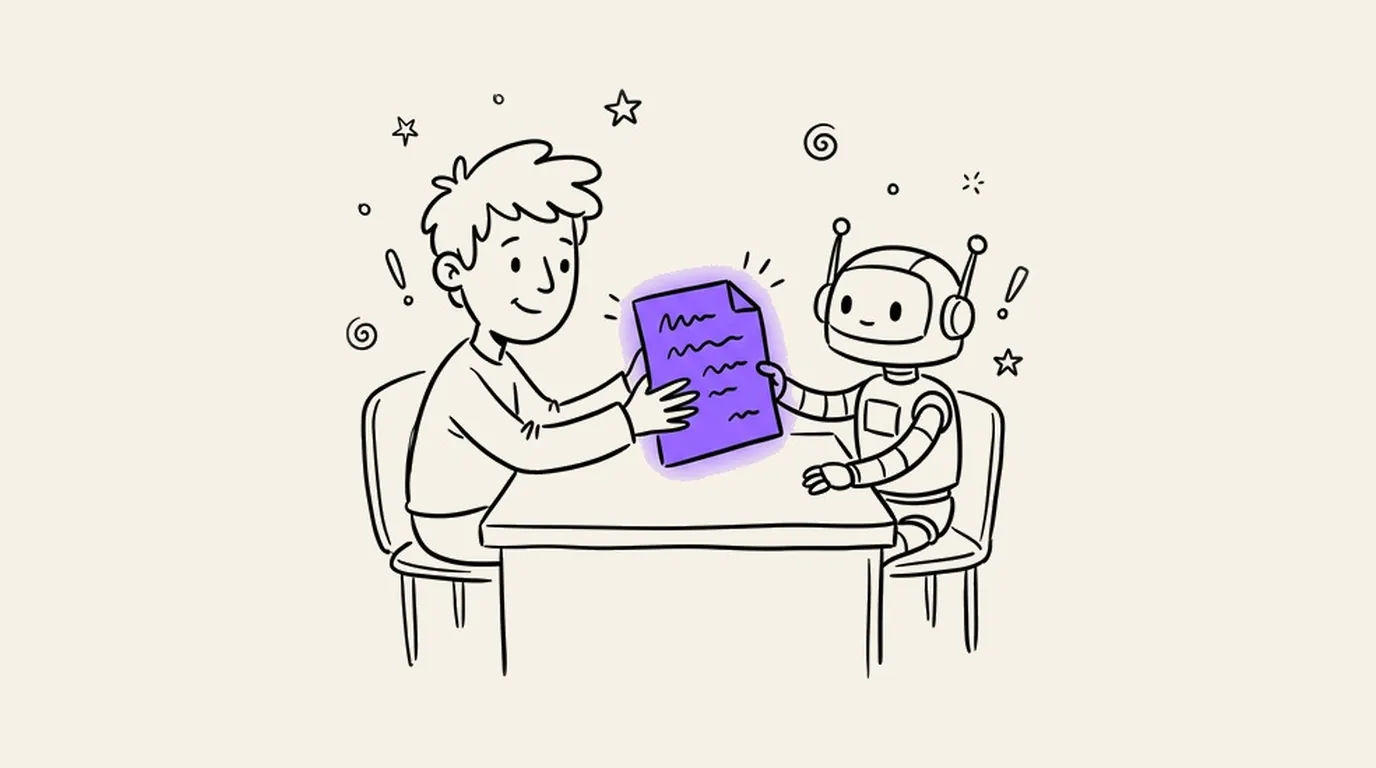
Connect the skills together
The power is when you connect the skills together. This is a huge thing that a lot of people are not doing.
Here is an example from ours.
| Skill | What it does |
|---|---|
| /project | Checks the CRM, Slack and email, then tells me the next steps |
| The update | Reads everything we have done, checks what we already told them, and writes the update to the CRM |
| /end | Updates the GitHub repo that has all the information about the client and what we worked on |
/project. Every time I work on a client project, I just do /project. It is connected to my CRM. It checks all the messages since the last time we worked on it, so it is connected to Slack and to email. Then it tells me the next steps.
The update. After we finish the work, we update. It reads everything we have done. It checks the CRM. It checks Slack to see whether we already told them something. Then it writes the update to the CRM for the next day.
/end. The update is connected to another skill called /end. It updates the GitHub repo we have, which has all the information about the client and what we worked on.
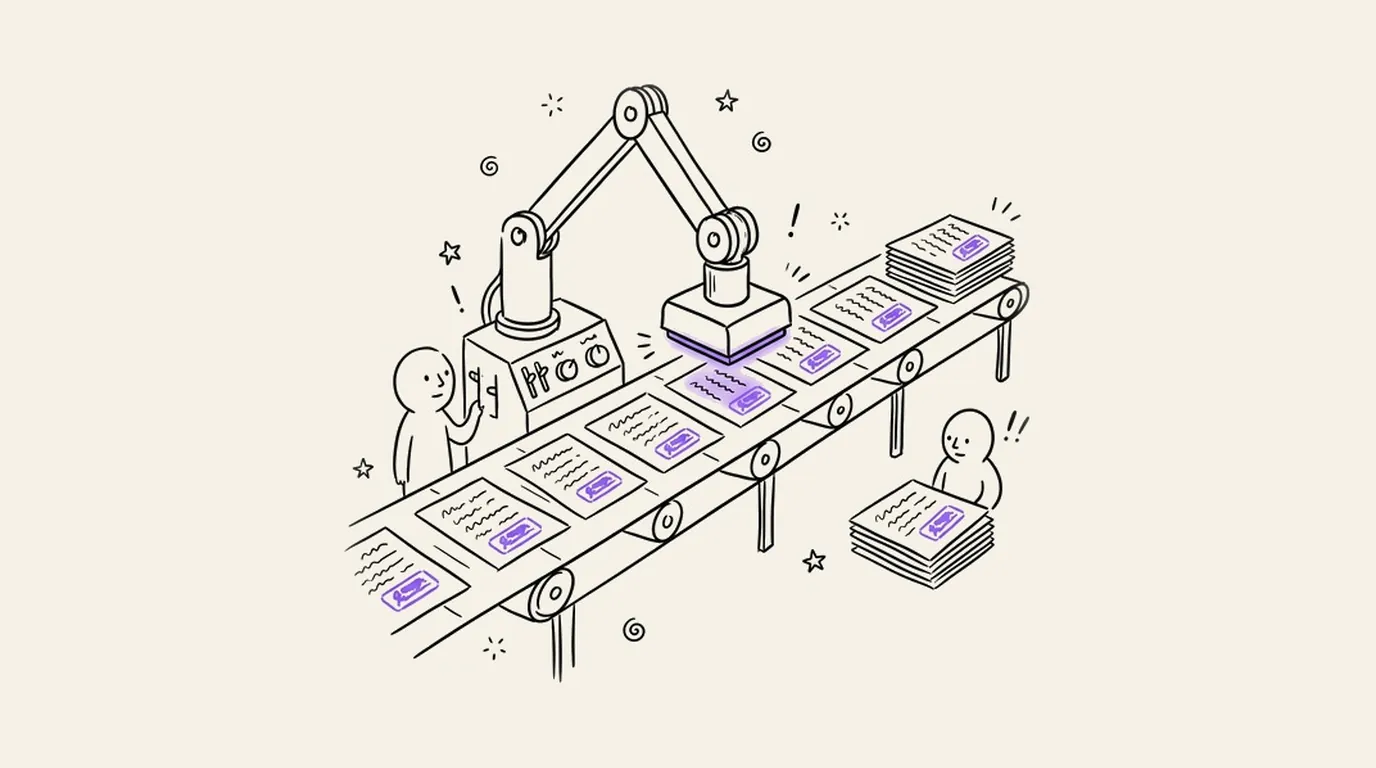
So it invokes /end automatically. I never have to tell my team hey, make sure to update the GitHub repo every time you finish. I can just check the GitHub repo and know exactly what they have done.
And it connects back. Every time I do /project, it checks the repo to see if there is anything new. Let's say yesterday I updated a skill. It reads that, then updates the skill they have locally.
This is how you create that self loop, where you don't have to remind them of doing anything.
Where SOPs still fit
We still have SOPs. I have a ton of them. They are for me, and they are only for day one, if I hire someone new.
| What it is for | |
|---|---|
| An SOP | A brand new thing we just created, and a new person in the company |
| A skill | Any job that repeats |
The skill is how I make sure they follow the doc every single time.
Get the one page guide
Comment SKILL on the video and I will send you the one page guide that turns an SOP into a skill: https://youtu.be/uFJNX2xwQzs
I will also send you a skill that makes sure your skills are done properly. It is a skill evaluation system.
Or open it here: the one page guide
FAQ
Why do SOPs get skipped? Nobody opens them, everything goes stale, and nothing is getting checked.
What are the three parts of a skill? The trigger, the steps and the checks. The trigger is the words or the moment that start it. The steps are the SOP side. The checks are a gate that refuses the work if a step was skipped.
Which part of a skill matters most? The checks. That is the biggest part.
Which AI do I need to turn an SOP into a skill? The AI your team is already using. It could be a GPT, it could be Claude, it could be Gemini.
Which job should I turn into a skill first? One job you have repeated, let's say 10 times.
Do I still need SOPs? We still have SOPs. An SOP is for a brand new thing we just created, and for a new person in the company. A skill is for any job that repeats.