Your Leads Aren't Bad. Your Client Is Calling Them 4 Hours Late.
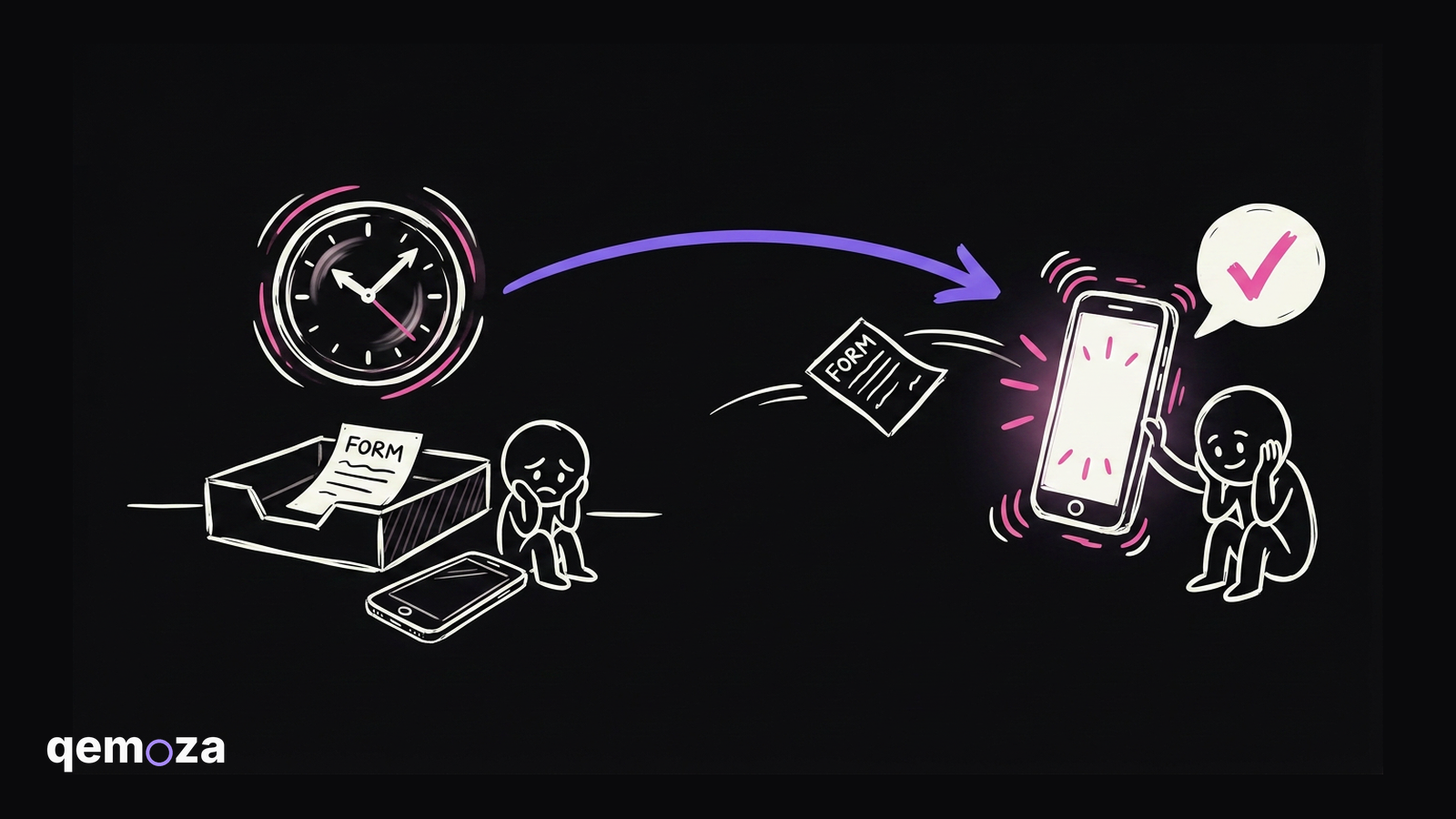
Your Leads Aren't Bad. Your Client Is Calling Them 4 Hours Late.
Every paid media agency has had this call.
The client gets on and says the leads are bad. Tire kickers, wrong people, nobody picks up the phone.
And you start defending the campaign. You pull up the targeting, you talk about the creative, you offer to test a new audience.
Stop. Check the timestamps first.
And if you are wondering who this is, fair question. I help paid media agencies run the boring back end, the stuff that happens after the click. This is the single most common thing I find, and it is almost never the ads.
The two timestamps almost nobody pulls
You need two things. The time the form came in, and the time your client first tried to reach that person.
Both are sitting in their CRM right now, and almost nobody looks.
Pull the last 50 leads and line them up side by side. Most of the time the gap is hours, not minutes. A form comes in at 7pm and gets a call the next morning at 10.
By then that person filled out three other forms and booked the job with someone else.
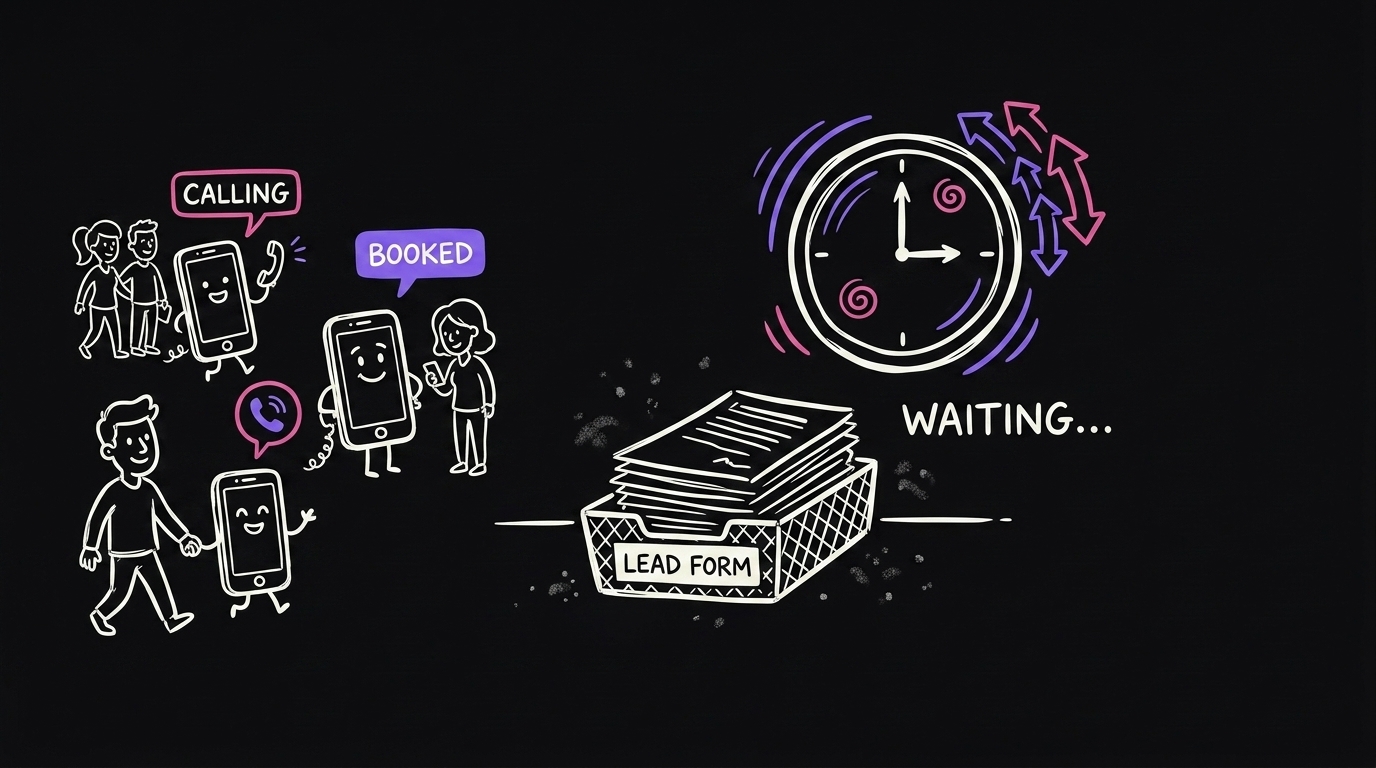
The lead was fine. It went cold sitting in an inbox.
Why speed decides who wins
A local service is not a considered purchase. A garage door breaks. A pipe leaks. A tooth hurts.
Nobody is shopping around. They want it handled today.
So the first company to actually pick up usually wins. Not the cheapest one, not the one with the best reviews, just the first one.
You do not need a study to prove this. Pull your own client's number, because it lands harder than anything you could quote.
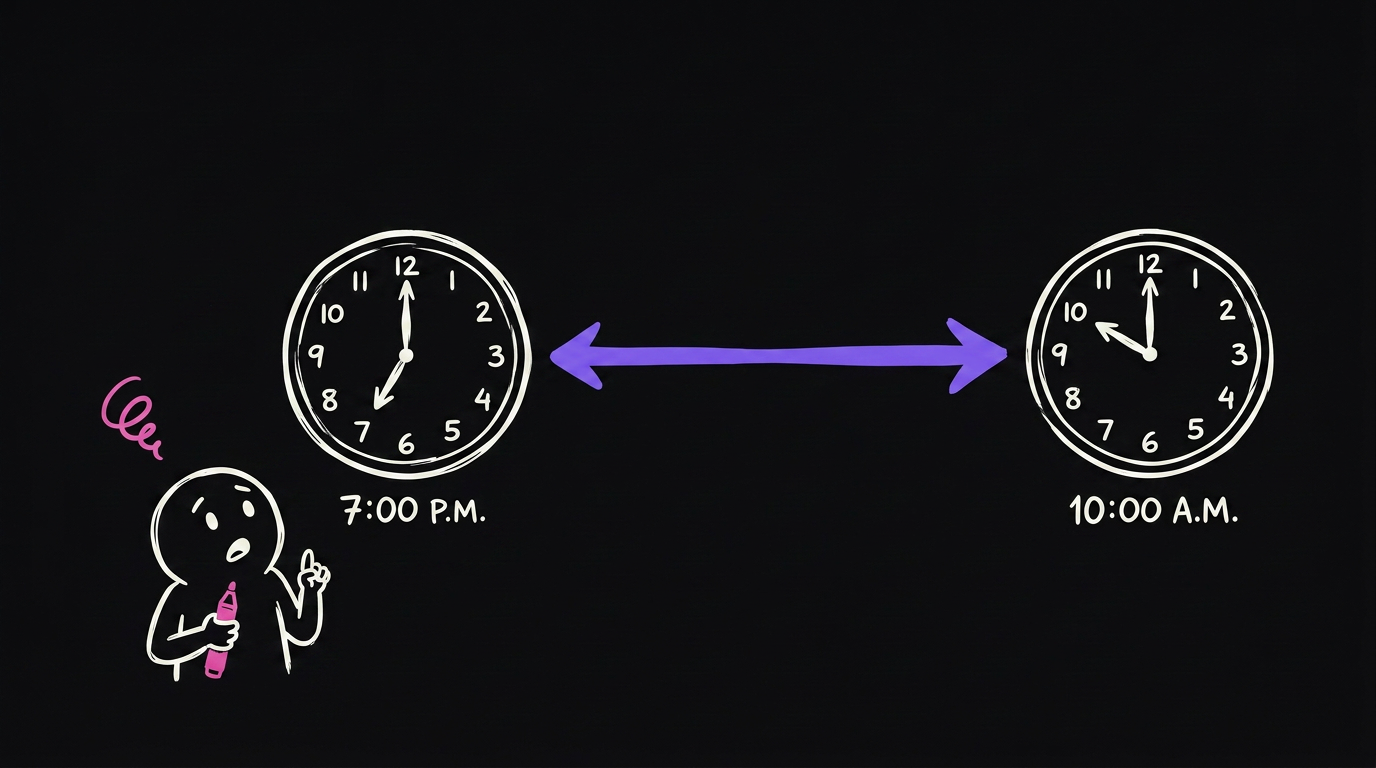
Here is the thing that makes this worth your time. Every hour of that gap makes your cost per lead look worse on a report you did not break.
| What the client sees | What they blame | What actually happened |
|---|---|---|
| Leads that never answer | Bad targeting | Called 6 hours after the form |
| High cost per booked job | The ad spend | Half the leads got one voicemail and nothing else |
| Nobody shows up | The lead quality | No reminder between booking and the visit |
| Numbers dropped this month | Your campaign | Their best closer went on holiday |
Every row on the right is fixable. None of them are your ads.
Fix 1. Measure it before you change anything
Take the last 50 leads and log the form time, the first contact time and the gap. Then take the average.
That single number changes every conversation you have with that client from here on.
Do this before you touch a campaign. If you change the ads first and the leads still do not convert, you have burned two weeks. And you still cannot say why.
Fix 2. Text them inside 60 seconds
Not a call. A text.
It goes out the moment the form hits, before a human touches anything. Keep it simple. You got their request, someone will call shortly, here is the number if they want to call first.
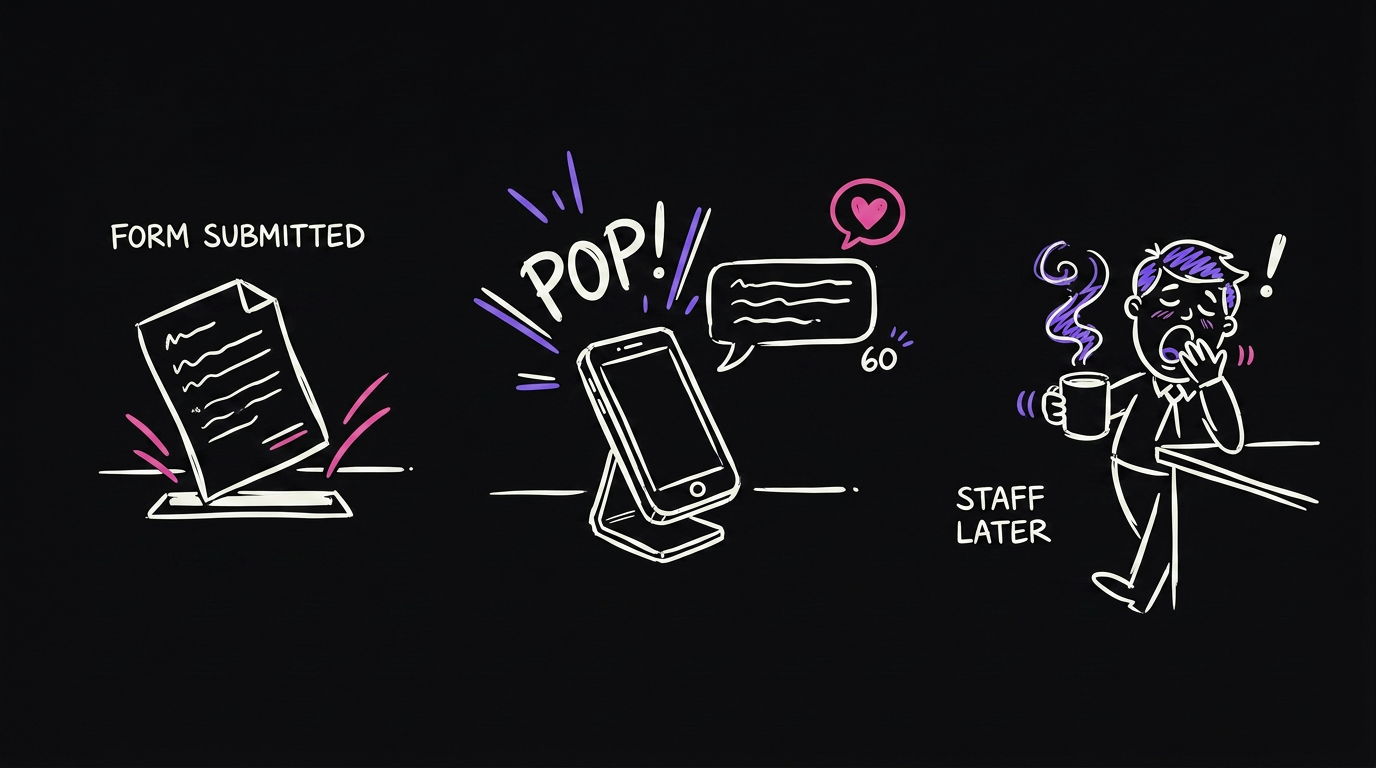
That one thing holds the lead in place while the office catches up.
It also does something quiet and useful. People reply to texts. Now you have a live conversation instead of a cold name on a list.
Fix 3. Then call fast
Five minutes is the target. Not five hours.
If your client cannot staff that, say it out loud and then go solve it. An answering service, a shared phone, somebody's cell after 5pm. There is always a way, but only if you name the problem first.
This is the part most agencies skip because it feels like it is not their job. It is not their job. But it is still the account you are trying to keep.
Fix 4. One call is not follow up
Six tries over seven days is follow up. Mix calls and texts, and change the time of day you try.
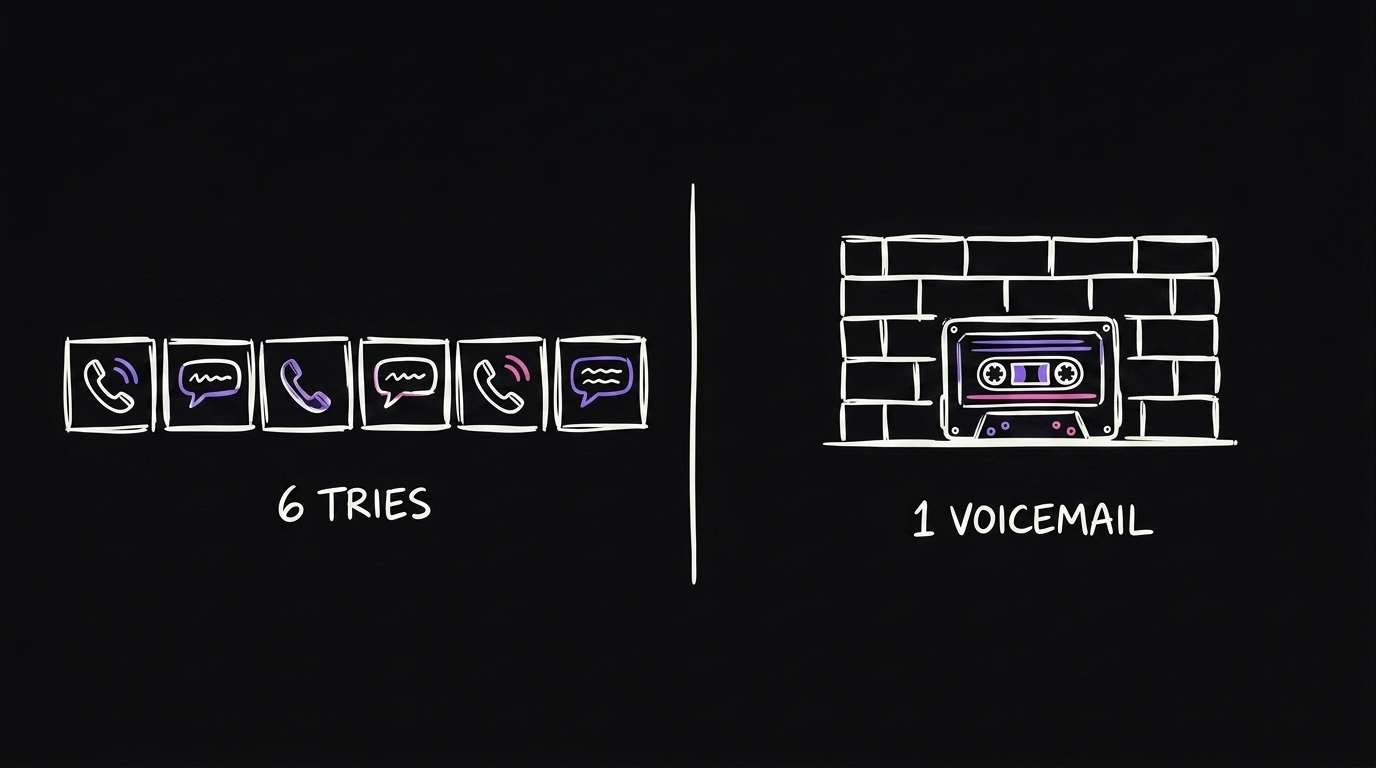
Most local businesses try once, get voicemail, and quietly mark the lead dead. That is where half your budget goes.
You paid for that lead. Getting a second attempt out of it is the cheapest win available to you.
Fix 5. Put speed to lead on the report
Put it right next to cost per lead, same page and same size.
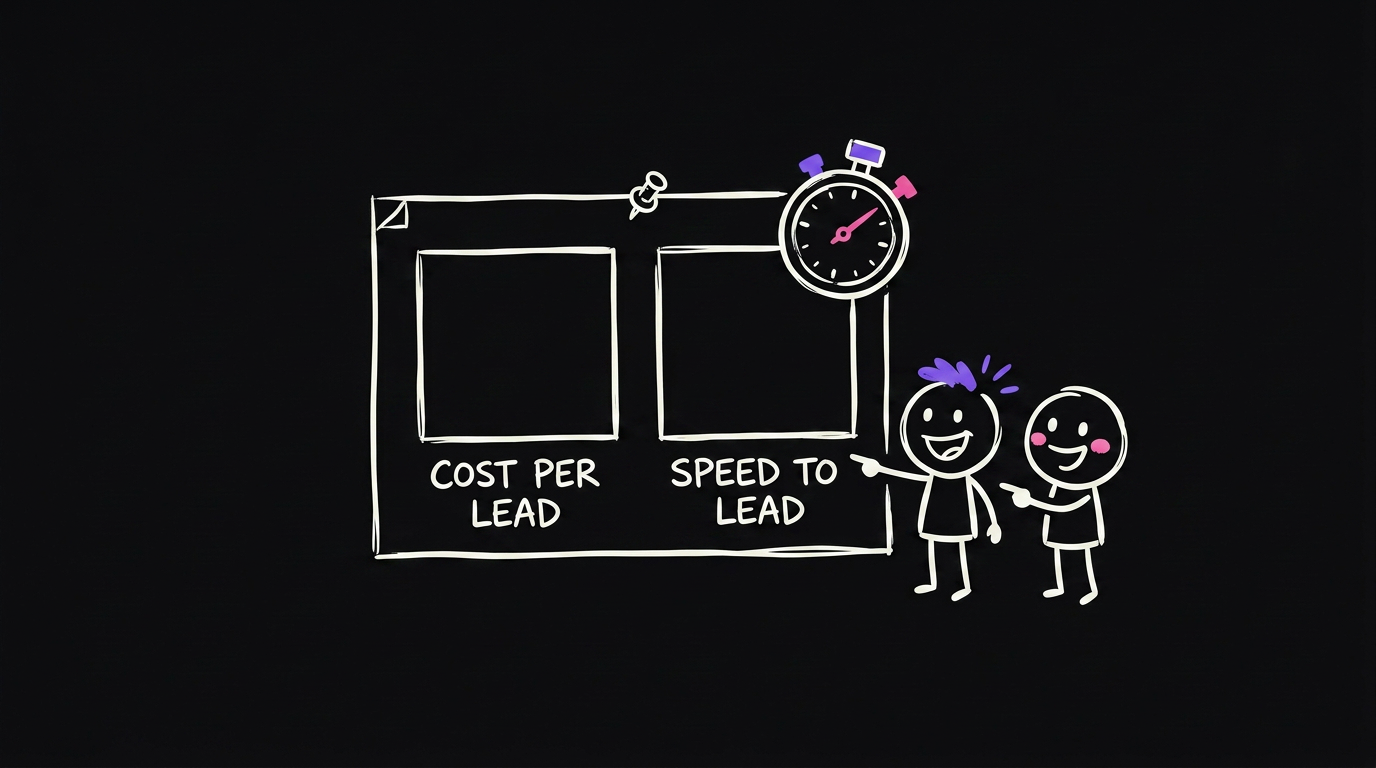
The moment it is on the report it becomes a shared number instead of your problem alone.
This is the whole trick. You are not accusing anyone. You are just putting a number where everyone can see it, next to the number they already trust.
What actually changes on the client call
The campaign is not the interesting part here. The client call is.
You stop defending your ads. You show them a number about their own front desk.
And the whole thing turns from why is this not working into how do we fix this together.
That is a completely different relationship. It is also the one that survives a bad month.
Most agencies lose clients they were never doing anything wrong for. They just never had the number that proved it.
Go pull it.
FAQ
What is speed to lead? It is the time between someone filling out a form and someone actually reaching them. Not the time you sent the lead over. The time a real person made contact.
What is a good speed to lead time? Under five minutes for a first touch. An automatic text should go out in under a minute, and a human call should follow inside five. After the first hour your chances drop hard.
My client says the leads are bad. How do I know if they are wrong? Pull the last 50 leads and compare the form time to the first contact time. If the average gap is over an hour, lead quality is not your main problem yet. Fix the gap first, then judge the leads.
Whose job is follow up, mine or the client's? The work is theirs. The number is yours. You cannot make their front desk pick up the phone. But you can measure it, report it, and build the text that buys them time.
Will an instant text annoy people? No, because they just asked you to contact them. The annoying version is the one that pretends to be a person. Keep it short, say a human will call shortly, and give them a number to call back.
Does this fix no-shows too? Partly. Speed gets you the conversation. A reminder the day before gets you the appointment. They are two different gaps, and both are worth measuring.
Want more like this?
So I am breaking down the boring back end of a paid media agency, one piece at a time. If you want more like this, follow along on qemoza. There is a lot more I want to show you. Let's build.
Written by Hamza Oulad, founder of qemoza, the AI ops partner for paid-media agencies. Built with Finn.