You Did Not Lose the Deal on the Call. You Lost It in the Two Days After.
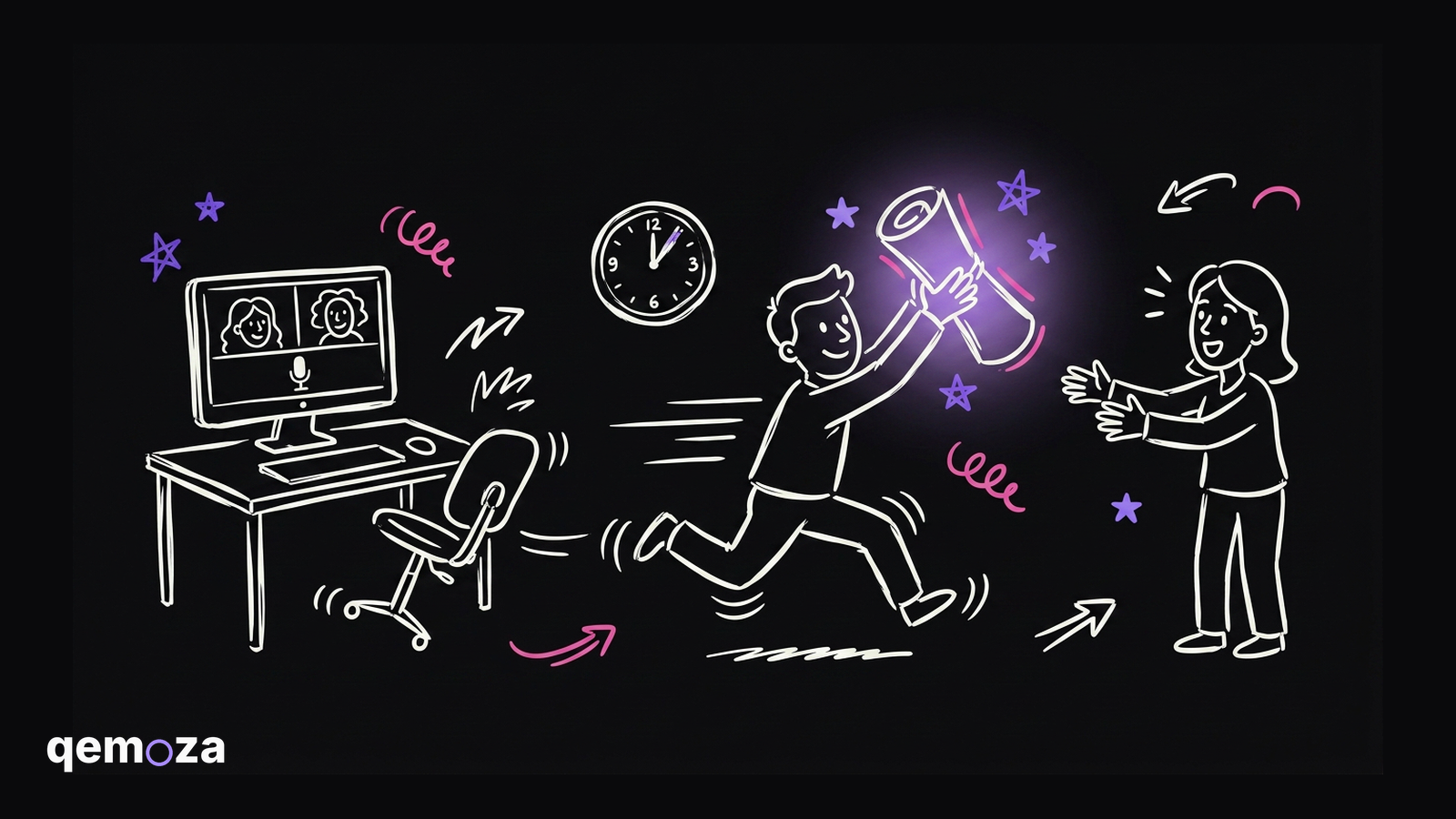
You get on a good call. They are nodding. They say send me something. You say you will get it over to them.
Then real life happens. Other calls. Other work. The proposal sits.
You send it two days later. And it lands on a different person than the one you talked to, because the excitement is gone. Now they are thinking about it. Now they are asking their partner. Now they are quiet.
Here is the part that stings. The proposal was fine. The wait was the problem.
The deal is hottest the second the call ends
If you send it the same day, they still feel what they felt on the call. If you send it inside an hour, even better.
There is a floor. Send it in sixty seconds and it reads as a template you had sitting there. But half an hour later they still have the emotion from the conversation, and that emotion is what makes people decide.
By day two that is gone. You are now writing to someone busy, who has other problems in their business, and who has stopped thinking about you.
You should already know the answer before you send it
Something worth saying out loud. When you send a proposal you should already have a feeling about whether they are buying.
If you do not, the proposal is not the problem. The call was.
The call already has the proposal in it
So why does it take two days?
Because you rebuild it from scratch every time. Blank document. Dig through your notes. Try to remember the scope. Try to remember the number. Reformat the page.
You do not need to do any of that, because you already have all of it. It is in the call recording. They told you their problem in their own words. You agreed the scope out loud. You said the price. You talked about timing.
Every input the proposal needs is sitting in that transcript.
The four inputs
A proposal only really needs four things, and the call hands you all four.
| What | Where it comes from |
|---|---|
| Who they are, and their problem | Their own words, off the call. This is your opening. |
| The scope | What you agreed you would do. |
| The price | The number you said out loud. Always say it on the call. |
| The timeline | When it starts and when it lands. |
That is it. An AI can pull those four out of a recording without you writing a word.
How the system works
You point it at the call. If your recorder has an API, like Fathom, it reads the transcript directly. If it does not, you paste the transcript in. Either way it comes back with the four inputs filled.
Then it writes the proposal into a page that is already built to close. Their problem at the top, then what they get, then the proof, then the price.
You read it. Something reads wrong, you click the words and change them. Then you publish, and you get a link.
That link is a real page. Not a PDF, and not a Google Doc. They open it, they read it, they sign it in the browser, and they pay on the same screen. One place, one minute.
Fast beats perfect
A good proposal sent in five minutes beats a perfect one sent in three days, every time.
They are not grading your document. They already decided how they feel about you on the call. What the proposal has to do is show up while that feeling is still there and make saying yes easy.
Speed is the close.
Take the system
The whole proposal system is free and public. Clone the repo, paste the setup prompt into Claude Code, answer a few questions about your brand, and it builds your own version with your design, your keys, signing and Stripe wired in.
github.com/qemoza/proposal-system
The call side is a prompt you paste with your transcript. It is in the video description.
I walk through the whole thing on video here: Agency Owners: How I Send a Proposal 5 Minutes After the Call
FAQ
How fast is too fast? About a minute. Any faster and it reads as a template you had ready before the call. Half an hour is the sweet spot.
Does this work if my call recorder has no API? Yes. Paste the transcript in. The four inputs come out the same way.
What if the AI gets something wrong? You click the words on the page and change them. You are checking a draft, not writing one.
Do I need to be technical? You need three free accounts, Vercel, Supabase and Stripe, and about fifteen minutes. The setup prompt walks your AI through the rest.
Stop writing proposals from scratch. Let the call write it, and send it while they are still hot.